Tuesday, 20 November 2012

Biriyan (hulled urad/urid daal)

This is a dish my grandma used to cook and I learnt it from my sister in law.  It is not one you are likely to see in many Indian restaurants, but is totally sensational...I love it!

You are not likely to find this daal in many English supermarkets but it is worth the journey to the Indian shop.

It is very quick to cook and can be cooked vegan although I prefer it made with ghee.


Ingredients (serves 4)

  • I cup of hulled Urid/Urad daal, washed.  Wash the daal well in a sieve until the water runs clear.
Tarka - We cook the daal and tarka separately and then combine them.
  • 3tbsp Light olive oil or (Ghee-clarified butter if you are making this vegetarian)
  • 1/2 Chopped onion
  • 1 fresh green chilli chopped (the more you put in the hotter it gets)  Optional
  • 1 tsp Cumin/ Jeera
  • 1/2 tsp Oragano seeds/ Ajowan seeds (optional)
  • 1 tsp Garam masala
  • 1 tsp Turmeric/ Haldi
  • 1 tsp salt
  • Hand full of fresh chopped coriander

Directions

  1. Once it is washed add it to a pan and top up with water 1 " above the level of the daal. and cook on a medium heat for 15-20mins or until it is cooked so a grain mashes between your fingers but NOT mashy in the pan, each grain should be separate and defined still so you have to keep a close eye on it. Once it has got to this point drain any extra water off and switch off heat and cover.
    While this cooks we can prepare our Tarka.
  2. In a second pan add your oil/ghee, set the pan at a slow heat add your cumin seeds and ajowan seeds, when they begin to crackle add your onion.
  3. Cook the onion till it is light brown and then add your chilli, stirring frequently.
  4. Once the mix is caramel coloured, add your dry spices and salt, you have now made your tarka.
  5. Add the tarka to your daal pot!  Add a little of the daal liquor to your tarka pan to make sure you get all the yummy spices and oil off and add back to the daal pot. Stir carefully not smashing the daal up.
  6. Unlike all the other daals do NOT continue to cook this together as the mix will go mushy, which is still tasty but looses the nutty texture.
  7. Last stage is to add your coriander and serve with rice or roti and enjoy! 


Jeera Quorn

I ate meat under duress as a child, so as soon as I was allowed to do my thing I stopped eating it.

I did however develop a taste for some some meat dishes in this time which I have very easily recreated with Quorn.  Quorn is not vegn as it contains egg.

So if you are a meat eater and want to eat less meat but can't give up the sensory experience or are a vegetarian who eats egg like me then give it a try.

It is a super fast dish that is yummy main or side dish.

Ingredients (to serve 4-6 people)

  • I x 300g bag of Quorn chunks refrigerated or frozen 
  • 3tbsp Light olive oil or Ghee-(clarified butter)
  • 2 tsp Cumin/ Jeera
  • 1/2 tsp Oragano seeds/ Ajowan seeds (optional)
  • 2 cloves garlic finely chopped or crushed
  • 1/2-1 tsp red chilli powder
  • 1-2 tsp Garam masala -
  • 1 tsp salt
  • Hand full of fresh chopped coriander

Directions

  1. Add your oil/ghee, set the pan at a medium heat add your cumin seeds and ajowan seeds, when they begin to crackle add your quorn chunks.
  2. Cook this till the quorn chunks go light brown and then add your garlic and continue stirring frequently.
  3. Once the garlic starts to colour add your dry spices and stir, cover and cook for as long as it takes the quorn to heat right the way through.
  4. Last stage is to add your coriander and serve with rice or roti and enjoy! 

Sunday, 18 November 2012

Saag (greens)


We refer to most mashed greens as saag, traditionally we use mustard green or chard, but you can use any greens of your choice or a mix. We would serve this with maaki thi roti (corn bread), you could serve it with fried polenta for a similar taste combination. You can just serve it as a side dish too with other daal and subji. You can also make variations adding paneer ?(indian cheese) or potatoes.

As other dishes can be cooked vegan or sathvick too.

Ingredaints (serves 4)

  • 1lb/ 500g I used broccoli tops, wash well in plenty of water.
  • 1tbsp gram flour/ fine polenta flour mixed in a few spoons of cold water.
Tarka - We cook the saag and tarka separately and then combine them.
  • 3tbsp Light olive oil or (Ghee-clarified butter if you are making this vegetarian, prefered in this recipie)
  • 1/2 Chopped onion
  • 1" fresh ginger peeled and finely chopped/ grated
  • 1 -2 fresh green chilli's chopped (the more you put in the hotter it gets)  Optional
  • 1/2 tin tomatoes or 3 fresh tomatoes chopped (optional)
  • 1 tsp Cumin/ Jeera
  • 1/2 tsp Oragano seeds/ Ajowan seeds (optional)
  • 1/2 tsp Garam masala
  • 1/2 tsp Turmeric/ Haldi
  • 2 tsp salt
  • Hand full of fresh chopped coriander

Directions

  1.  Add your washed greens to a thick based pan, and top up with 2" or 5cm boiling water from kettle (this just speeds up the cooking) cover and boil until cooked.  While these are cooking we can cook our Tarka.
  2. In a second pan add your oil/ghee, set the pan at a slow heat this is the secret to good tasting Indian cooking.  Add your cumin seeds and ajowan seeds, when they begin to crackle add your onion.
  3. Cook the onion till it is light brown and then add your ginger and chilli, stirring frequently.
  4. Continue to cook this till the ginger is brown too, if the ginger starts to stick to the pan just add a couple of tea spoons of water and stir until it comes free.
  5. Once the mix is caramel coloured, add your dry spices and salt and tomatoes, you have now made your tarka. Continue to cook this for a few more minutes until it is bubbling together nicely and the tomatoes have started breaking down.Set this aside until you have done 6.
  6. Once the greens are cooked, take a hand blender and immerse in the pan and blend until there are no large pieces of greens left, it doesn't have to be a smooth puree, if it is too hard to mash then add more water.  Once mashed add your polenta flour/ gram flour mixed in water and continue cooking on low heat. You can now add your tarka to your greens pot!
  7. Add a little greens to your tarka pan to make sure you get all the yummy spices and oil off and add back to the main pot.
  8. Cook on a slow heat for 20mins once you have added the tarka. Taste it and add more salt if you like more.
  9. Last stage is to add your coriander and serve with a dollop of butter, enjoy! 

Maa ki daal (Mother's daal)

Maa ki daal is my all time favourite!  It is also known as Daal makhani (makhani means creamy) in some eating establishments as it is so creamy.

Maa is hindi for 'Mother' hence I call it mother's daal, I always tell my kids it is called this as it has a lot of love in it.  This dish is a speciality of Punjab, where my father is from and it is a really hearty dish.

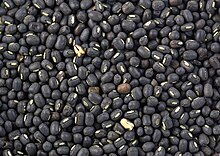
We call most beans and lentils daal but this one is  also known as Whole Urid/Urad beans, Black gram, black lentils. You can buy these lentils in some English supermarkets but mainly in indian shops.

You can cook this as a vegan or vegetarian dish I shall give both variations so you can choose.  Maa ki daal makes a great main with vegetable pillau rice or plain rice or roti or serve it with side dishes, it is another daal  that marries well with other dishes.

You can also decide to make this dish Sathvick just remove the garlic and onions, it takes on a whole new flavour complex.

Ingredients for serving 4

  • I cup of urad beans, washed.  Wash the daal well in a sieve, or bowl until it runs clean. 
  • A handful of Kidney beans, prepare as Urad. These are best soaked in double their volume of water together overnight.
Tarka - We cook the daal and tarka separately and then combine them.
  • 3tbsp Light olive oil or (Ghee-clarified butter if you are making this vegetarian, this is the authentic choice)
  • 1/2 tsp dried ground ginger
  • 1/2 Chopped onion
  • 1" fresh ginger peeled and finely chopped/ grated
  • 3 cloves of garlic, peeled and chopped finely
  • 1 -2 fresh green chilli's chopped (the more you put in the hotter it gets)  Optional
  • 1/2 tin tomatoes or 2 fresh tomatoes chopped 
  • 1 tsp Cumin/ Jeera
  • 1/2 tsp Oragano seeds/ Ajowan seeds (optional)
  • 1/2 tsp Garam masala
  • 1/2 tsp Turmeric/ Haldi
  • 1-2 tsp salt
  • Hand full of fresh chopped coriander

Directions

  1. If you can't soak it overnight, then soak in boiling hot water for a couple of hours or pressure cook the daal for 20mins and then go to 3.  I think it is best cooked slowly in a pan, but if your short of time, then you have the choice.
  2. Add your washed daal to a thick based pan, and top up with 3" or 8cm boiling water from kettle (this just speeds up the cooking). Cover and set it going at a rolling boil so the beans will boil and cook but not boil over.  It takes about 30-40mins for them to cook, but the final dish needs 6 hours to taste really good.  This daal tends to be quite thirsty, so if you see it is cooking dry just top it up with more water, if you accidently add too much it is not a problem, just leave it to simmer without a lid on. When your beans are cooked use your ladle or a potato masher and mash a bit of the daal to help thicken it. Keep stirring occasionally.
  3. Add your dry ground ginger and salt to the pan while the beans are cooking. While these are cooking we can cook our Tarka.
  4. In a second pan add your oil/ghee, set the pan at a slow heat this is the secret to good tasting Indian cooking, this recipe is very similar to other daal recipes given.  Add your cumin seeds and ajowan seeds, when they begin to crackle add your onion.
  5. Cook the onion till it is light brown and then add your ginger and chilli, stirring frequently.
  6. Continue to cook this till the ginger is brown too, if the ginger starts to stick to the pan just add a couple of tea spoons of water and stir until it comes free.
  7. Once the mix is caramel coloured, add your dry spices and salt and tomatoes, you have now made your tarka.
  8. Continue to cook this for a few more minutes until it is bubbling together nicely and the tomatoes have started breaking down, then add the tarka to your daal pot!  Add a little of the daal liquor to your tarka pan to make sure you get all the yummy spices and oil off and add back to the daal pot.
  9. I like to cook my Maa ki daal for a good six hours in total, but it can cook in as little as three sometimes the lentils vary.  It won't do it any harm for longer cooking, just make sure you don't forget to stir.  Taste it and add more salt if you like more, I do add a bit more salt to this daal.
  10. Last stage is to add your coriander and serve with rice or roti and dollop of butter, enjoy! 


Tuesday, 13 November 2012

kohlrabi (German turnip) and peas subji

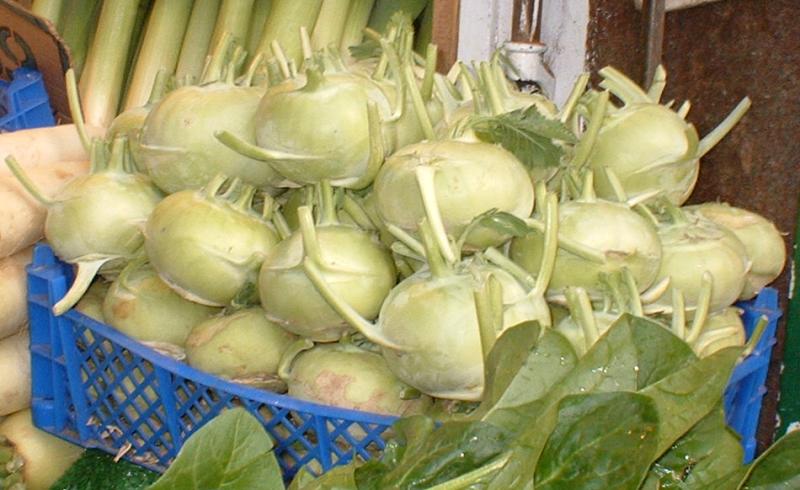
This is a relatively new vegetable to me. I love eating seasonally so when my husband brought these home from the market and I didn't know what to do with them I just made subji from it! I have since found out they are also good in stir fries.  It tastes a little like broccoli and has a turnip texture and tends to be quite sweet so marries well with peas.

I tend to cook this dish as vegan. You can also make this Sathvick, by removing the onion and replacing it with a bit more ginger.  Again you can also use this as a side dish for an English meal to introduce a bit of spice!

Ingredients for serving 4

  • I large Kohlrabi 6" diameter or the equivalent in smaller ones. remove the thick skin and dice it, the smaller the peices the quicker it will cook.
  • 1 cup or 200g of frozen peas
  • 3tbsp Light olive oil 
  • 1/2 Chopped onion ( I like to use red onion)
  • 1" fresh ginger peeled and finely chopped/ grated
  • 1 tsp Cumin/ Jeera
  • 1/2 tsp Oregano seeds/Ajowan
  • 1 -2 fresh green chilli's chopped (the more you put in the hotter it gets) - Optional
  • 1 tsp Garam masala
  • 1tsp Turmeric/ Haldi
  • 1 tsp salt
  • Hand full of fresh chopped coriander

Directions

  1. Add your oil, set the pan at a slow heat. Add your cumin seeds and ajowan, when they begin to crackle add your onion.
  2. Cook the onion till it is light brown and then add your ginger and chilli, stirring frequently.
  3. Continue to cook this till the ginger is brown too, if the ginger starts to stick to the pan just add a couple of tea spoons of water and stir until it comes free.
  4. Once the mix is caramel coloured, add your dry spices and salt, you have now made your base (masala). You can cook any vegetable this way, it is so easy when you get familiar with the spices.
  5. Add your kohlrabi and combine the masala and vegetables, cover and cook on a medium heat for 5mins and then turn down to a lower heat for about 20mins, kohlrabi is quite firm, so you can't overcook it, equally it is just as pleasant left a bit crunchy.  You can add a couple of tablespoons of water in at this stage to help the vegetable cook.
  6. Add the peas when the kohlrabi is cooked and cook for a further 5-10mins. If you are using fresh peas put them in a little earlier.
  7. Add the chopped coriander and serve as a main or side dish with roti, naan, or rice of your choice. We had it with Moongi daal tonight and roti, it was yummy!

Moongi daal (Mung beans)

Moongi daal (Mung beans) shown on the left, are used all over the world in different ways, I cook them in combination with some Moth daal (pronounced mort in Hindi, shown on right).  You can just cook either on their own but this combo is yummy!
Moongi is one of the most easily of digested beans too, good if you need an energy boost.

You can buy these lentils in any English supermarket, they are normally labelled Mung beans, the Moth is available in some English supermarkets but mainly in indian shops.

You can cook this as a vegan or vegetarian dish I shall give both variations so you can choose.  Moongi daal makes a great main with vegetable pillau rice or plain rice or roti or serve it with side dishes, it is another daal  that marries well with other dishes.

You can also decide to make this dish Sathvick just remove the garlic and onions, it takes on a whole new flavour complex.

Ingredients for serving 4-6

  • I cup of Moongi daal, washed.  Wash the daal well in a sieve, most daal sold in english supermarkets are quite clean so don't need sifting and repeated washing. You can soak the daal the night before this will speed up cooking but it is not absolutely necessary for this lentil, if you do this just add a little less water on cooking.
  • A couple of handfuls of Moth daal, prepare as Moongi, they can be soaked together.
Tarka - We cook the daal and tarka separately and then combine them.
  • 3tbsp Light olive oil or (Ghee-clarified butter if you are making this vegetarian)
  • 1/2 Chopped onion
  • 1" fresh ginger peeled and finely chopped/ grated
  • 1 -2 fresh green chilli's chopped (the more you put in the hotter it gets)  Optional
  • 1/2 tin tomatoes or 3 fresh tomatoes chopped (optional)
  • 1 tsp Cumin/ Jeera
  • 1/2 tsp Oragano seeds/ Ajowan seeds (optional)
  • 1/2 tsp Garam masala
  • 1/2 tsp Turmeric/ Haldi
  • 1 tsp salt
  • Hand full of fresh chopped coriander

Directions

  1. Add your washed daal to a thick based pan, and top up with 2" or 5cm boiling water from kettle (this just speeds up the cooking). Cover and set it going at a medium heat so the lentils will boil and cook but not boil over.  It takes about 20mins for them to be cooked, but taste nicer the more you cook them longer.  This daal tends to be quite thirsty, so if you see it is cooking dry just top it up with more water, if you accidently add too much it is not a problem, just leave it to simmer without a lid on. While these are cooking we can cook our Tarka.
  2. In a second pan add your oil/ghee, set the pan at a slow heat this is the secret to good tasting Indian cooking, this recipe is very similar to other daal recipes given.  Add your cumin seeds and ajowan seeds, when they begin to crackle add your onion.
  3. Cook the onion till it is light brown and then add your ginger and chilli, stirring frequently.
  4. Continue to cook this till the ginger is brown too, if the ginger starts to stick to the pan just add a couple of tea spoons of water and stir until it comes free.
  5. Once the mix is caramel coloured, add your dry spices and salt and tomatoes, you have now made your tarka.
  6. Continue to cook this for a few more minutes until it is bubbling together nicely and the tomatoes have started breaking down, then add the tarka to your daal pot!  Add a little of the daal liquor to your tarka pan to make sure you get all the yummy spices and oil off and add back to the daal pot.
  7. If the beans are cooked they will be split in the middle and the lentils inside will be soft and mashy between your fingers.  If not just continue to cook them till they are.  I like to cook my daal for a good 20mins once I have added the tarka, you can cook it for longer on a slow heat the flavours just develop further. Taste it and add more salt if you like more.
  8. Last stage is to add your coriander and serve with rice or roti and enjoy! 


Friday, 9 November 2012

Rajma (Red kidney beans)

You can make this two or three ways depending how much time you want to give it.  I love making it from dried kidney beans without use of a pressure cooker, but you can use a pressure cooker to speed the cooking of the beans up if you wish or even use tinned kidney beans.


You can buy kidney beans in any English supermarket, dried or cooked in tins. Rajma is proper comfort food, a dish that is served a lot on Sunday, always regarded as a real luxury dish.

You can cook this as a vegan or vegetarian dish I shall give both variations so you can choose.  I love it just with rice, or you can serve it with yoghurt or raita as a side dish, or have a veg dish with it but really doesn't need anything.

You can also decide to make this dish Sathvick just remove the garlic and onions, it takes on a whole new flavour complex.

Ingredients for serving 3-4

  • I cup/ 200g of kidney beans.  Wash the kidney beans well and soak in double the volume of water over night.  If you don't have over night to soak them then wash them and soak them in boiling water from the kettle for a couple of hours or until they have swollen and longer wrinkly.
Tarka - We cook the beans and tarka separately and then combine them.
  • 3tbsp Light olive oil or (Ghee-clarified butter if you are making this vegetarian)
  • 1/2 Chopped onion
  • 1-2" fresh ginger peeled and finely chopped/ grated
  • 1 cloves of garlic finely/ grated
  • 1 -2 fresh green chilli's chopped (the more you put in the hotter it gets)
  • 1/2 tin tomatoes or chop a few fresh tomatoes
  • 1 tsp Cumin/ Jeera
  • 1/2 tsp Oregano seeds/ Ajowan seeds (optional)
  • 1 tsp Garam masala
  • 1 tsp Turmeric/ Haldi
  • 1 tsp salt
  • Hand full of fresh chopped coriander or use frozen.

Directions

  1. Wash your kidney beans again after the soaking and add them to a thick based pan, and top up with 2" or 5cm boiling water from kettle (this just speeds up the cooking). Cover and set it going at a medium heat so the beans boil and cook but not boil over.  Whilst cooking your beans may develop a white froth, just skim this off with a ladle and tip it down the sink.
  2. It takes about an hour to cook, you know when they are cooked as the beans are nice and mashey  inside and some of the skins have split, the water will have turned a red colour, mash some of the beans down with your ladle or a masher.  By the way you cannot overcook beans, they just get yummier the more you cook them.  While these are cooking we can cook our Tarka.
  3. In a second pan add your oil/ghee, set the pan at a slow heat this is the secret to good tasting Indian cooking, this recipe is pretty idot proof, just keep your heat low and you can't go wrong.  Add your cumin seeds and ajowan seeds, when they begin to crackle add your onion.
  4. Cook the onion till it is light brown and then add your garlic, ginger and chilli, stirring frequently.
  5. Continue to cook this till the garlic and ginger is brown too, if the ginger starts to stick to the pan just add a couple of tea spoons of water and stir until it comes free.
  6. Once the mix is caramel coloured, add your dry spices and salt and tomatoes, you have now made your tarka.
  7. Continue to cook this for a few more minutes until it is bubbling together nicely and the tomatoes have started breaking down, then add the tarka to your pot with the boiled beans!  Add a little of the bean liquor to your tarka pan to make sure you get all the yummy spices and oil off and add back to the bean pot.
  8. Once combined the tarka I like to cook my daal for another 20mins, you can cook it for longer on a slow heat the flavours just develop further. The thari (gravy) will just get thicker and creamier. Taste it and add more salt if you like more.
  9. Last stage is to add your coriander and serve with rice or roti and enjoy!